
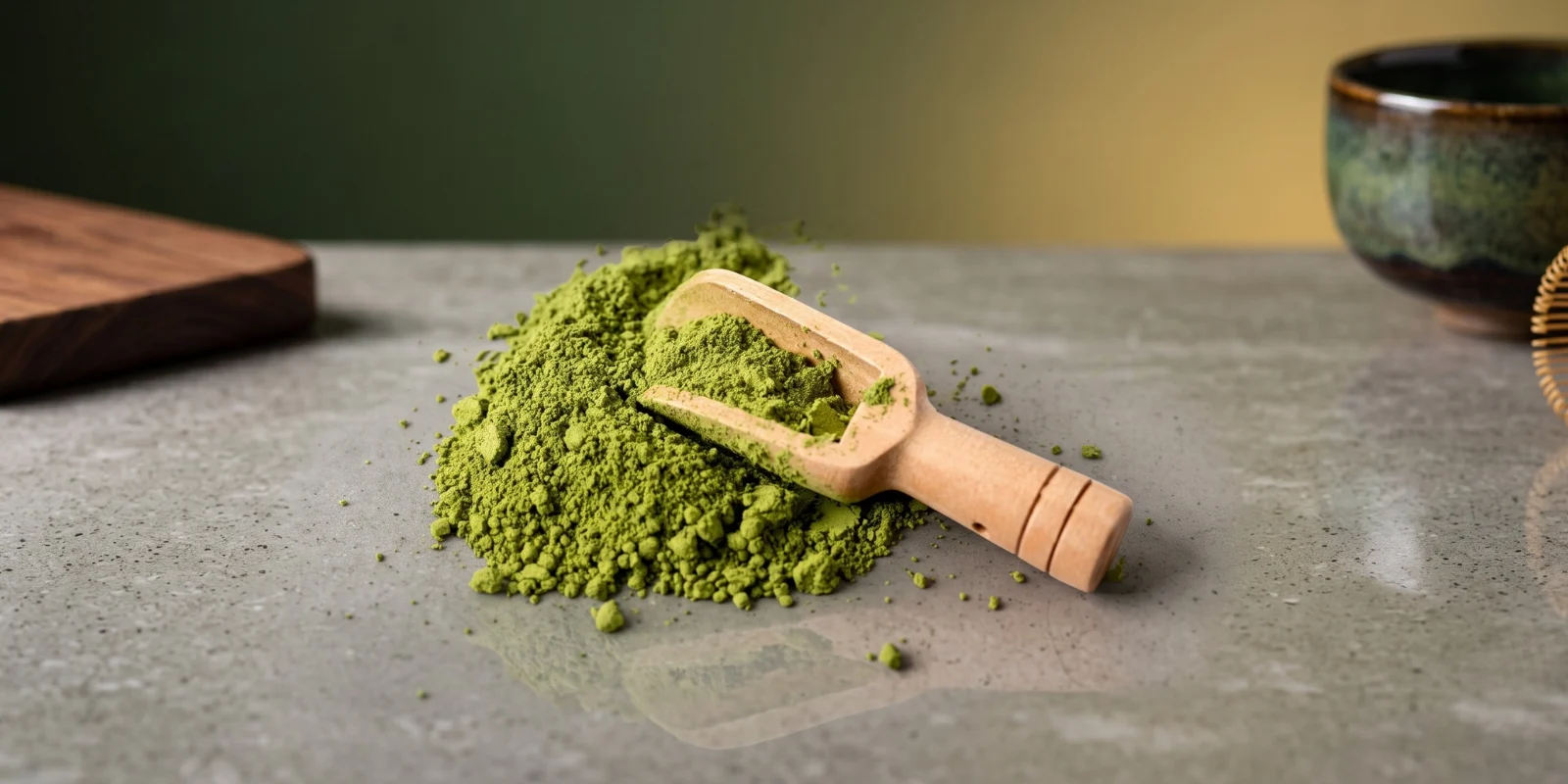
Fermented Kratom is a specialized post-harvest variety of the Southeast Asian Mitragyna speciosa plant. It stands out because it goes through an additional processing stage after harvest, making it different from standard Kratom production methods. While the name sounds simple, the process behind it is often misunderstood, creating confusion among buyers.
This guide explores the fermentation process behind this unique form of Kratom, including how it is produced, how it differs from regular Kratom, and what factors help identify it. Interested in knowing more about this unique strain? Continue reading to understand the key details behind fermented Kratom.
💡 Here's What You'll Discover About Fermented Kratom
|
What Is Fermented Kratom?
Fermented Kratom is a specialized form of Kratom that refers to leaves processed through an additional post-harvest method before becoming a finished product. Kratom comes from the Mitragyna speciosa tree, a tropical plant native to Southeast Asia, including Thailand, Indonesia, and Malaysia.
When you hear the term “fermented,” think of products like kimchi, sauerkraut, or kombucha. The idea is similar—fermentation involves natural microbial and enzymatic activity that can create changes in the plant material. In the case of Kratom, this additional step gives fermented Kratom its unique classification compared to traditionally processed Kratom products.
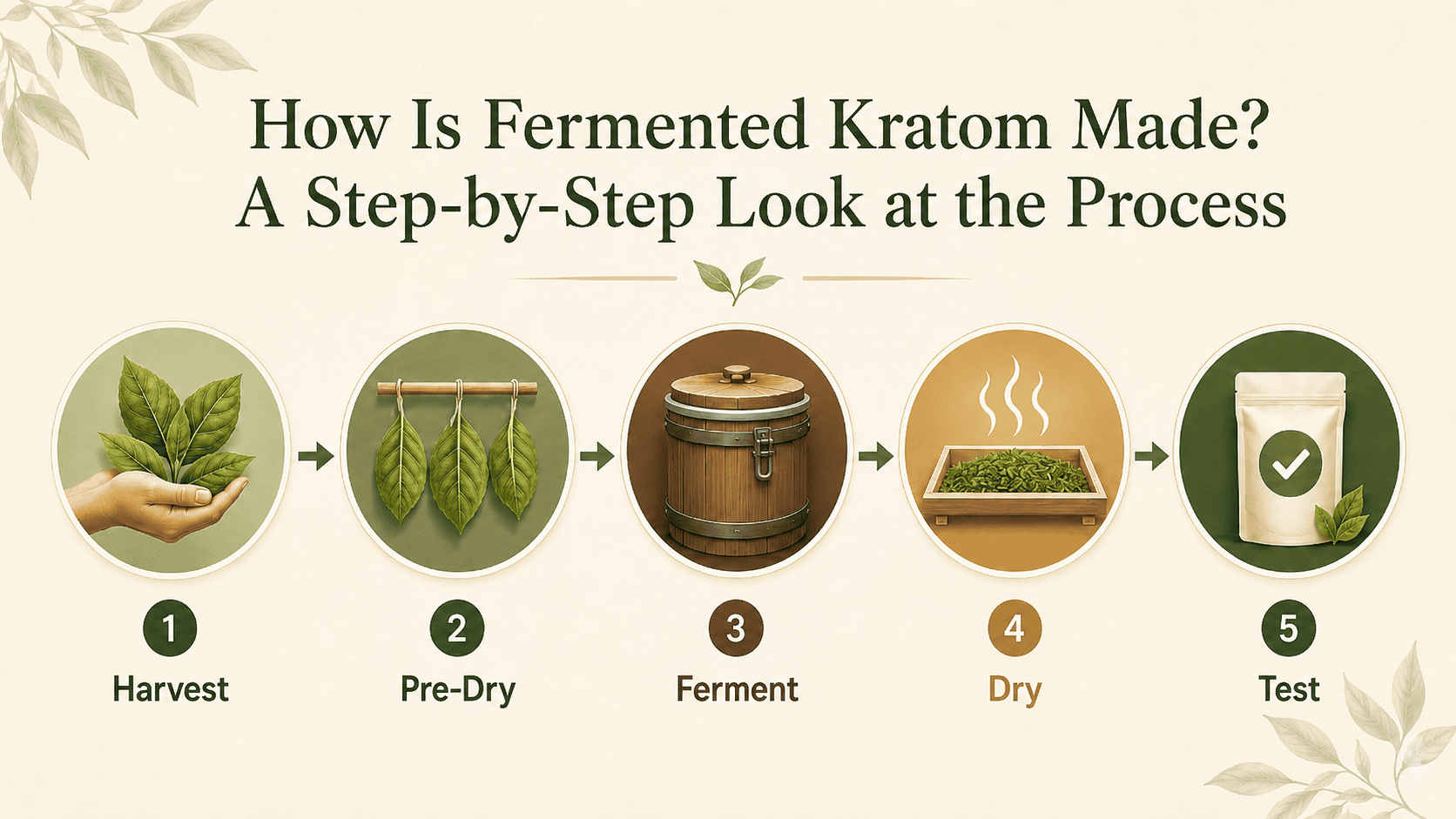
How Is Fermented Kratom Made? A Step-by-Step Look at the Process
Here’s a simple breakdown of how Fermented Kratom is made before it reaches the market:
1. Leaf Harvesting and Sorting
Mature leaves are collected from Mitragyna speciosa trees and sorted to remove debris, damaged material, and other unwanted matter. The selection stage matters because leaf age and condition influence how evenly the fermentation process develops later on.
2. Pre-Fermentation Drying
Before fermentation begins, the leaves usually undergo a brief initial drying period. This reduces excess surface moisture and helps prepare the leaf for the controlled fermentation stage that follows.
3. Controlled Fermentation
The leaves are packed tightly, often in sealed bags or containers, and left in a temperature-controlled, low-light environment for a set window of time. This is the stage where microbial activity breaks down parts of the leaf structure and shifts its alkaloid composition.
4. Final Drying and Milling
The fermented, darkened leaves are removed from the containers and spread out for thorough drying. Once fully dried, the leaves become brittle enough to be milled into a fine, uniform Kratom powder.
5. Quality Checks and Packaging
Before packaging, fermented batches typically go through lab testing to verify composition and screen for contaminants, since the fermentation environment carries a higher risk of microbial issues if not tightly controlled.
Fermentation vs. Oxidation: What's the Difference?
Here is a quick comparison of fermentation and oxidation to understand how these two processes differ:
Basis | Fermentation | Oxidation |
Mechanism | Microbial and enzymatic breakdown | Exposure to oxygen over time |
Oxygen Requirement | Anaerobic (occurs strictly without air) | Aerobic (requires continuous air exposure) |
Leaf Moisture State | Leaves must remain damp to keep microbes active | Leaves dry out continuously during airflow exposure |
Environment | Sealed, moisture-controlled, low light | Open air exposure during drying |
Duration | Set window, typically under controlled conditions | Gradual, tied to drying time |
Leaf Color Change | Noticeably darker, brownish tone | Mild darkening, less pronounced |
Fermented Kratom vs Regular Kratom: Key Differences
Here is how fermented Kratom differs from regular Kratom strains:
Characteristics | Fermented Kratom | Regular Kratom |
Harvesting Choice | Primarily mature red-vein leaves | Red, green, or white-vein leaves |
Processing Step | Packed airtight for 24–72 hours before drying | Dried immediately after washing |
Drying Environment | Indoors or outdoors after biological breakdown | Sun-dried, shade-dried, or UV-cured |
Final Powder Color | Dark red, deep brown, tan, or chocolate | Vibrant green, light green, or pale red |
Chlorophyll Levels | Significantly degraded and broken down | Highly preserved and intact |
Alkaloid Profile | Altered via enzyme-driven transformation | Preserved in original raw plant state |
Texture & Grind | Very soft, highly broken-down fibers | Standard fibrous, flour-like consistency |
Popular Fermented Kratom Strains
The following best fermented Kratom strain names are among the most recognized categories. Let’s take a look at each one of them:
1. Bentuangie Kratom
Named after the Bentuangie growing region in Indonesia, this is the most widely recognized fermented Kratom name and the one most associated with the traditional fermentation method.
2. Chocolate Kratom
Known for its distinctly dark hue, Chocolate Kratom undergoes an extended fermentation cycle that strips the leaf's green chlorophyll entirely. The result is a fine, dark brown powder with a sweet, earthy scent.
3. Gold Bali
Unlike standard Bali, which is simply shade-dried, this variant adds a brief mid-process fermentation window. The hybrid method produces an amber-colored powder that falls chemically between a standard red and green vein leaf.
⭐ Know more on— Gold Kratom Guide: What It Is and How It’s Made
4. Yellow Borneo
Made by fermenting green or white vein leaf for a shorter airtight cycle, Yellow Borneo undergoes a milder biological shift than the varieties above. This shorter process leaves the leaf a pale tan to golden yellow rather than dark brown.
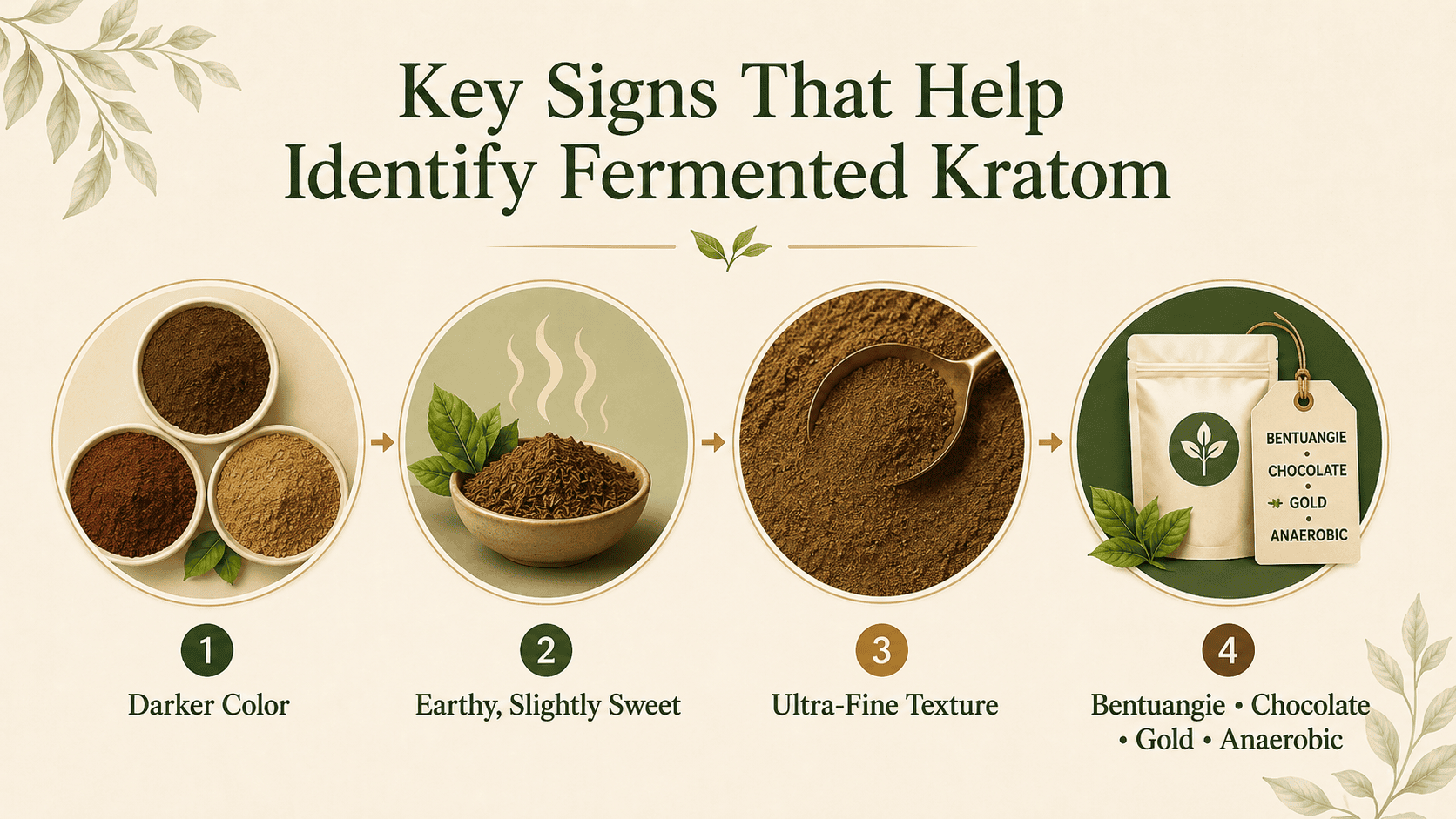
Key Signs That Help Identify Fermented Kratom
While no single feature confirms fermentation, certain characteristics can help distinguish Fermented Kratom from conventionally processed varieties.
⚡Color: Fermented Kratom is noticeably darker than standard batches, typically presenting as a dark brown, deep red, or tan powder.
⚡Scent:It features a mellow, earthy, and slightly sweet aroma rather than a sharp, bitter, or freshly cut grass-like smell.
⚡Texture: The powder has an ultra-fine, highly pulverized consistency due to the biological breakdown of tough plant fibers during processing.
⚡Labeling:The product packaging or certificate of analysis explicitly displays terms like "Bentuangie," "Chocolate," "Gold," or "anaerobic aging."
Common Misconceptions About Fermented Kratom
Different processing methods and market terminology have led to several misconceptions about Fermented Kratom. Let’s look at some common myths and clarify the facts.
❌ Myth: It comes from a separate botanical strain of tree.
✔️ Fact: Fermented Kratom is harvested from the exact same Mitragyna speciosa trees as standard varieties. Its distinct properties develop entirely after harvest based on how the leaves are aged and dried. |
❌ Myth: The production process creates alcohol content in the powder.
✔️ Fact: While the term "fermentation" is often associated with brewing, Kratom processing is strictly an enzymatic and bacterial breakdown of plant material. No alcohol is produced or left behind in the final product. |
❌ Myth: The leaves are left to unhygienically rot or grow mold.
✔️ Fact: Cleanliness is strictly monitored during production. Farmers carefully control temperature and moisture levels to trigger a clean, oxygen-free aging process while actively preventing the growth of harmful mold or wild bacteria. |
❌ Myth: The dark brown color proves it was made exclusively with red-vein leaves.
✔️ Fact: The deep chocolate or tan hue is entirely the result of green chlorophyll breaking down inside the airtight containers. Green or white-vein leaves will turn the exact same brown color if put through the same process. |
Legality and Availability of Fermented Kratom
Kratom's legal status varies by state and even by city, so fermented varieties fall under the same rules as regular Kratom in your area. As fermentation is a specialized processing method, not every vendor carries fermented options like Bentuangie or Chocolate Kratom, so availability can be more limited compared to standard strains. It's worth checking your local regulations and confirming with a vendor whether a specific fermented variety is in stock before you shop.
FAQs On Fermented Kratom
Is Fermented Kratom a Separate Strain?
No, fermented kratom is not a separate botanical strain, but rather a standard leaf that undergoes a unique post-harvest aging process. Any raw Kratom leaf can become a "fermented strain" based entirely on how it is sealed and dried after picking.
What Does Fermented Kratom Look Like?
Fermented Kratom looks like a dark powder that ranges in color from deep red to chocolate brown or tan. Unlike standard varieties, it completely lacks the bright, vibrant green appearance of fresh-dried leaves.
How Can I Tell If Kratom Has Been Fermented?
You can identify it by checking for a dark brownish-red color, an ultra-fine texture, and a mellow, slightly sweet scent. The packaging will also typically feature specific strain names like "Bentuangie" or "Chocolate."
Where Does Fermented Kratom Come From?
It comes from the exact same Mitragyna speciosa trees grown throughout Southeast Asian regions like Indonesia and Borneo. The only difference is that the harvested leaves undergo a specialized post-harvest aging process.
Does Fermentation Change The Color Of Kratom Powder?
Yes, the process completely breaks down the green chlorophyll pigments inside the leaves. This cellular breakdown strips away the green color from the Kratom powder and shifts the raw material into a distinctive brown or deep red hue.
How Long Does Fermented Kratom Stay Fresh?
The freshness period depends on storage conditions and packaging quality. Keeping Fermented Kratom sealed, dry, and protected from environmental exposure can help maintain its original condition over time.
⭐ Read more on — How To Store Kratom For Maximum Freshness?
Is Fermented Kratom More Expensive Than Regular Kratom?
Fermented varieties can carry a higher price point due to the extra processing time and quality control involved. Pricing still varies by vendor, so it's worth comparing a few sources before buying.
What Are the Benefits of Fermented Kratom?
The main fermented Kratom benefits lie in its unique harvesting and processing techniques. The fermentation stage produces a distinct alkaloid profile, texture, and aroma compared to standard drying, giving buyers a genuinely different product to choose from.
💡 Learn more about different Kratom strains:
Hulu Kapuas Kratom Guide: Origin, Reviews & Red Vein Profile
Can You Fly with Kratom? Travel Rules, Risks, and Packing Tips (2026)
Disclaimer: This content is for educational purposes only and covers general information about Fermented Kratom, its processing, and terminology. Kratom laws vary by location, so always check local regulations before purchasing or possessing Kratom products. Product details and processing methods may differ between suppliers.