
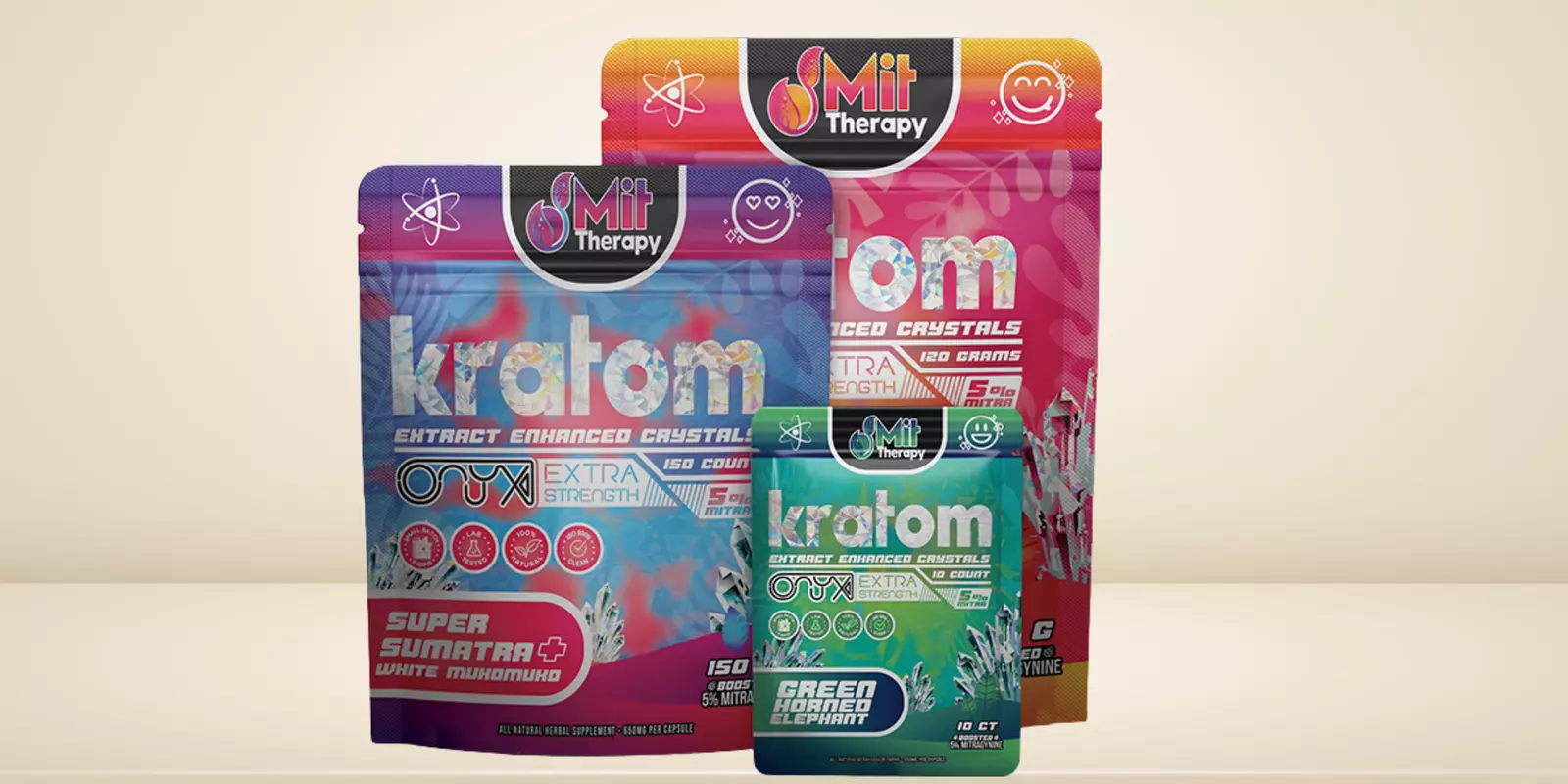
It often starts with a simple search for a Kratom strain that feels worth the attention, but the more options that appear, the harder it becomes to tell them apart. Somewhere between the familiar names and endless product pages, Sumatra Kratom tends to stand out and hold attention a little longer. There is something about its regional background, distinct strain varieties, and strong presence in the market that makes people want to know more.
Whether someone has come across Red Sumatra Kratom, Yellow Sumatra Kratom, or is simply trying to understand what makes this variety different, getting clear information matters. This blog covers everything that should be known about Sumatra Kratom, from where it comes from to how it is processed, the strains available, and what makes it different from other options.
What Is Sumatra Kratom?
Sumatra Kratom is a regional market name used for Kratom products linked to Sumatra, Indonesia, within the larger Southeast Asian Kratom trade. The plant behind it is Mitragyna speciosa, a tropical tree known for its alkaloids, including mitragynine.
In online stores, Sumatra Kratom is commonly sold in color-based varieties such as red, green, white, and yellow.
Where Does Sumatra Kratom Come From?
Sumatra Kratom is generally presented as Kratom linked to Sumatra, Indonesia, one of the major islands in the Indonesian archipelago. In the modern market, names like “Sumatra” are usually used as regional strain labels, meaning they indicate a place of origin rather than a formally recognized botanical subtype.
Sumatra’s Climate & Growing Conditions
Sumatra has the kind of environment a tropical tree like Mitragyna speciosa is associated with: the island is hot and extremely moist, while Indonesian climate data show average temperatures staying close to 25–26°C year-round, with substantial rainfall across the country.
The History Behind Sumatra Kratom
The history behind Sumatra Kratom begins with the longer history of Kratom itself in Southeast Asia. Scientific reviews describe Kratom as a plant that has been used in the region for generations and, in some sources, for several centuries. Traditional preparation methods included chewing fresh leaves and brewing the leaves into teas or decoctions.
Historical accounts in the literature also show that Kratom was used in practical everyday settings.
Reviews note that indigenous communities in Southeast Asia used Kratom to help stave off fatigue, and some records describe its role in local medicinal and even ceremonial contexts.
That history is important because it shows Kratom was known first as a regional plant with traditional uses long before it became an internationally marketed product.
So, while Kratom’s roots go deep into Southeast Asian tradition, the label “Sumatra” represents the point where regional identity, trade, and modern strain naming all meet.
How Sumatra Kratom Is Harvested & Processed?
Before Sumatra Kratom reaches the market, it goes through the same core harvesting and processing steps used across the Indonesian trade. While the name “Sumatra” refers to a regional label, the methods used to prepare the leaves follow standard Kratom processing practices.
Leaf harvesting
Kratom products are made from the leaves of Mitragyna speciosa.
Commercial Kratom commonly uses mature leaves.
The harvesting stage focuses on collecting leaves that will later be dried and prepared for sale.
Drying methods
After harvest, the leaves are dried to reduce moisture and make them suitable for further processing.
Drying is one of the most important post-harvest steps in Kratom production.
Research indicates that the final powder color is determined by post-harvest processing, which includes drying.
Grinding and packaging
Once dried, the leaves are ground into powder, which is one of the most common Kratom forms sold in the market.
After grinding, the product is packaged and marketed under regional and color-based names such as Sumatra, red, green, or yellow.
This is why buyers often see names like Red Sumatra Kratom or Yellow Sumatra Kratom online.
Alkaloid Profile Of Sumatra Kratom
Sumatra Kratom is noted for its rich and varied alkaloid composition, especially in its red and white vein types, with total alkaloid levels in dried leaves generally falling between 0.5% and 1.5%. It is mainly cultivated in Indonesia. The composition is primarily characterized by mitragynine, which can range from 1.0% to 1.8% or more, along with substantial quantities of other supportive alkaloids.
Primary alkaloids in Sumatra Kratom
Mitragynine
Speciogynine
Paynantheine
Speciociliatine
Different Sumatra Kratom Strains
Red Sumatra,” “Green Sumatra,” “White Sumatra,” and “Yellow Sumatra” are commercial strain labels, not scientifically standardized subtypes. Current research shows that Kratom products are commonly named by color + region and that many claimed strain differences are shaped by marketing and post-harvest processing, while most U.S. market material uses mature leaves.
Red Sumatra Kratom
Usually sold as a red-colored Sumatra product, with the “red” label tied more to post-harvest handling and color classification than to a separate species.
In market descriptions, red strains are often associated with more mature leaf material or longer post-harvest treatment, but the scientific literature does not establish a fixed “red = mature only” rule.
Yellow Sumatra Kratom
“Yellow” is best treated as a processing-based market category, not a naturally fixed botanical class. The final powder color is significantly influenced by post-harvest processing conditions.
Because of that, Yellow Sumatra should not be described as coming from one exact leaf age with certainty. It is more accurate to say it is often presented as a processed variation of Sumatra Kratom rather than a distinct natural leaf type.
Green Sumatra Kratom
Green Sumatra is another marketed color category built from the same broader Mitragyna speciosa plant and sold under the Sumatra regional name.
Green Sumatra is commonly presented as the in-between Sumatra type, often linked in market language to mid-maturity leaf material.
White Sumatra Kratom
White Sumatra is also a commercial color label rather than a scientifically fixed Kratom subtype.
White Sumatra is the white-labeled Sumatra category, often described in market terms as younger-leaning, but not scientifically defined by one guaranteed leaf maturity stage.
How To Consume Sumatra Kratom?
Sumatra Kratom is available in multiple forms, and the way it is taken usually depends on convenience and personal preference. The most common formats include powder, capsules, tea, and extract-based products.
Kratom Powder
One of the most widely available forms of Kratom.
Kratom powder can be mixed with water or other liquids for easier intake.
Toss-and-wash method: Kratom powder is placed in the mouth and quickly washed down with water or another beverage.
Also used to prepare Kratom tea or blended into drinks.
Kratom Capsules
Powder-filled capsules offer a pre-measured and portable option.
No mixing or preparation required.
Often chosen for convenience and ease of carrying.
Kratom Tea
Made by brewing Kratom powder or leaves in hot water.
The traditional method linked to historical use in Southeast Asia.
Can be strained before drinking, depending on preparation style
Kratom Extracts
Includes liquid extract shots, resin, and concentrated forms.
Typically more compact and easier to carry compared to raw powder.
Sold in small bottles or other concentrated formats in the market.
Sumatra Kratom Vs Other Kratom Strains
Here’s how the Sumatra Kratom strain compares with other strains:
Sumatra Kratom vs Maeng Da Kratom
This comparison is useful because the two labels are built differently: Sumatra is a regional name, while Maeng Da is a trade-style name with Thai linguistic roots.
Point | Sumatra Kratom | Maeng Da Kratom |
Origin association | Linked to Sumatra, Indonesia | Name has Thai linguistic roots; modern products may come from multiple Southeast Asian sources |
History/market identity | Functions mainly as a regional market label | Functions mainly as a trade-style/commercial label rather than a place name. |
Main alkaloids present | Shares the standard Kratom alkaloid set, especially mitragynine, with other common alkaloids like paynantheine, speciogynine, speciociliatine. | Same general Kratom alkaloid set |
Leaf maturity framing | Can be discussed only cautiously; literature shows young and mature leaves differ chemically, but does not establish a fixed Sumatra maturity rule | Same caution applies; no fixed maturity rule is established for Maeng Da either |
Sumatra Kratom vs Bali Kratom
Point | Sumatra Kratom | |
Origin association | Linked to Sumatra, Indonesia | Marketed under Bali, Indonesia |
History/market/ identity | Mainly a regional market label | Mainly a regional market label |
Main alkaloids present | Standard Kratom alkaloids led by mitragynine | Standard Kratom alkaloids led by mitragynine |
Sumatra Kratom vs Borneo Kratom
Point | Sumatra Kratom | Borneo Kratom |
Origin association | Linked to Sumatra, Indonesia | Linked to Borneo/Kalimantan, Indonesia; West Kalimantan is strongly tied to modern Kratom production and trade (BRIN - Badan Riset dan Inovasi Nasional) |
History/market/ identity | Mainly a regional market label | Mainly a regional market label, but more closely tied to present-day production hubs in Indonesia |
Main alkaloids present | Standard Kratom alkaloids led by mitragynine | Standard Kratom alkaloids led by mitragynine |
Summing Up
Sumatra Kratom continues to stand out as one of the most recognized names in the Kratom market, not just because of where it is associated with, but because of the depth behind that name. Its connection to Indonesia, the role of post-harvest processing, the presence of well-known alkaloids, and the availability of red, yellow, green, and white varieties all add to its appeal.
Still, the clearest way to understand Sumatra Kratom is with balance and accuracy. Rather than seeing it as a perfectly fixed scientific subtype, it makes more sense to view it as a regional market label shaped by origin, processing, and presentation. That perspective gives readers a more complete picture and makes it easier to compare Sumatra Kratom with other options in a more informed way.
FAQs
Is Sumatra Kratom stronger than Bali or Borneo?
There is no fixed scientific rule proving that Sumatra is always stronger than Bali or Borneo. Current literature is much clearer that these names function as market labels than in proving a standardized potency hierarchy across all products sold under those names.
Are liquid extract shots the same as regular Sumatra Kratom powder?
No. Liquid extract shots and other extract products are concentrated forms, while regular powder is plain leaf material in powdered form. Because extracts are more concentrated than standard powder, they should not be treated as the same type of product.
What is the best format for Sumatra Kratom?
The best format usually depends on convenience and preference. Powder is one of the most common traditional retail forms; capsules are easier to carry and use; tea connects more closely with historical preparation methods; and extract shots or other extract products are more concentrated than plain leaf powder.
Disclaimer: This blog is for informational purposes only and should not be treated as medical, legal, or professional advice. Kratom products may vary by seller, batch, and formulation, so always review product details carefully before making a purchase.