
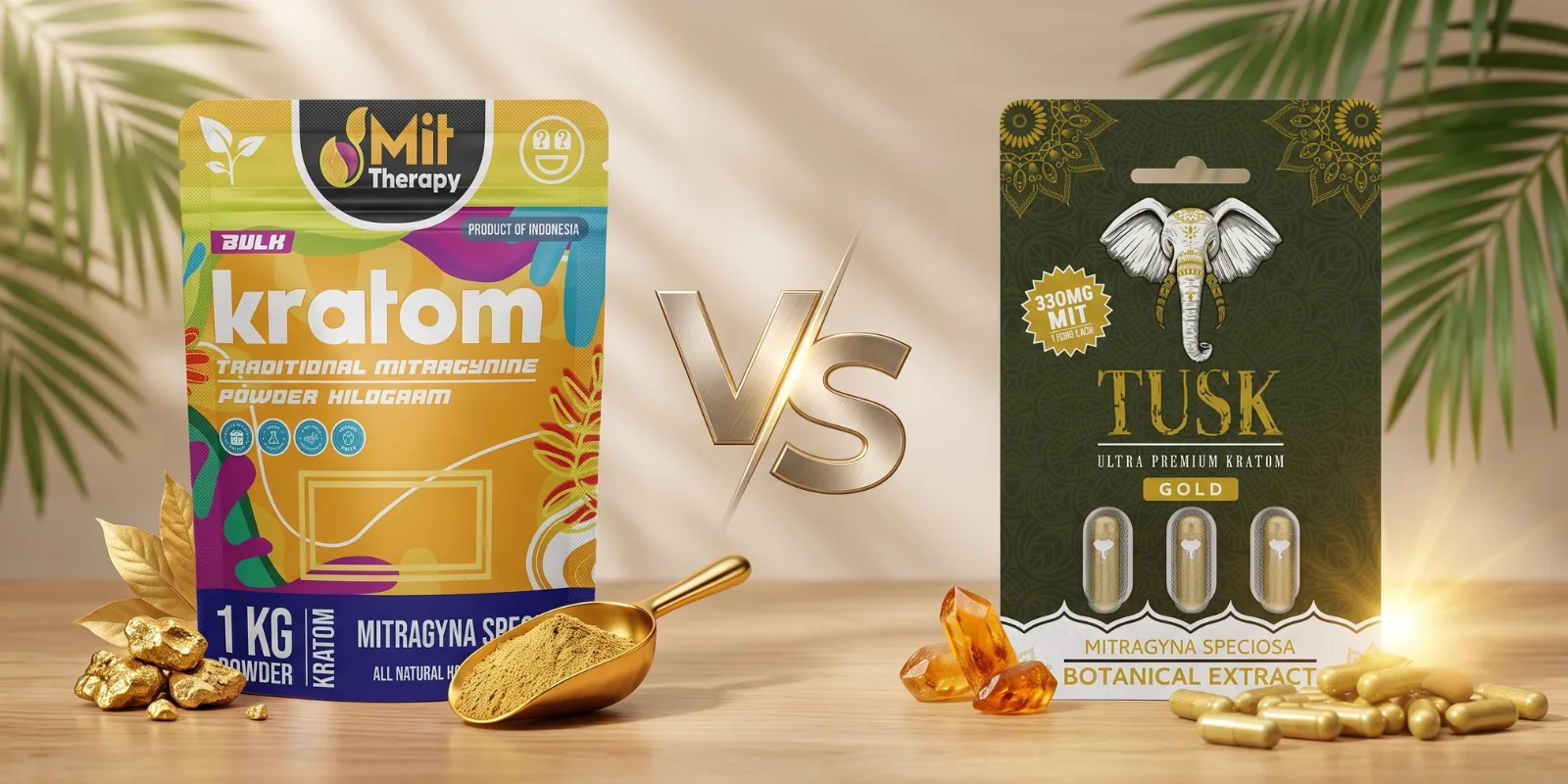

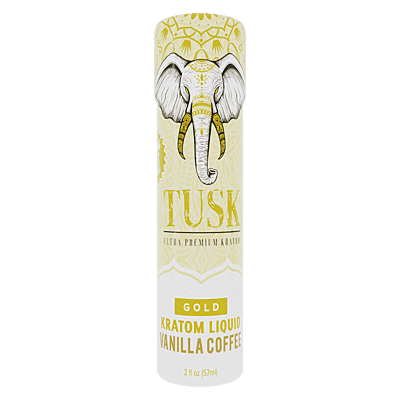


Understanding the difference between gold vs yellow kratom can be confusing, especially since both are often described as unique or specialty varieties rather than traditional vein colors. This guide breaks down what gold kratom and yellow kratom are, how they are positioned in the market, and how consumers typically compare them when deciding which one to choose.’
What Is Gold Kratom?
Gold kratom is not a naturally occurring vein color. Instead, it is typically created through specific drying, blending, or fermentation techniques applied to kratom leaves. These processes influence the final color and overall profile of the product.
Gold kratom is commonly available as:
Gold kratom powder
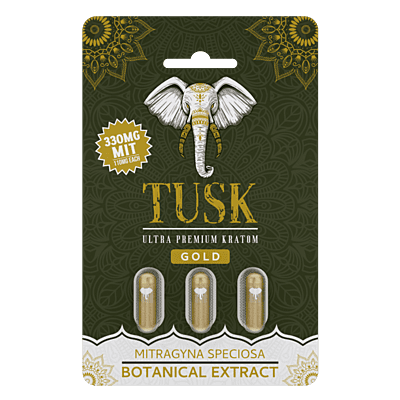
Gold kratom capsules
Many products labeled as gold kratom are derived from combinations of red and green vein leaves or processed in a way that produces a golden or tan appearance. Because of this, gold kratom can vary between vendors.
What Is Yellow Kratom?
Yellow kratom, sometimes referred to as yellow vein kratom or yellow strain kratom, is also considered a processed variety rather than a true vein color. Yellow kratom typically results from extended drying or controlled curing methods that alter the leaf’s appearance.
Yellow kratom is often described as sitting between traditional green and white vein classifications, though this varies by product and processing method. Consumers frequently search for what is yellow kratom when trying to understand how it differs from more familiar strains.
Key Differences Between Gold and Yellow Kratom
Processing Methods
Gold kratom is usually produced through blending or fermentation techniques that combine characteristics from multiple vein types.
Yellow kratom is more often created through extended drying or curing rather than blending.
These differences in processing explain why appearance and consistency can vary significantly across products.
Market Positioning
Gold kratom is often marketed as a specialty or premium option.
Yellow kratom is typically positioned as a lighter, alternative category that does not fit neatly into red, green, or white classifications.
Neither category follows a universal standard, making vendor transparency especially important.
Product Consistency
Gold kratom products may differ more noticeably between batches due to blending practices.
Yellow kratom products can also vary, especially depending on drying time and environmental conditions during processing.
Consistency depends heavily on sourcing and manufacturing practices rather than the label alone. Learn about the effects of Yellow Kratom and how they have an effect on individuals.
Similarities Between Gold and Yellow Kratom
Despite their differences, gold and yellow kratom share several similarities that often place them in the same consideration set.
Non-Traditional Classification
Neither gold nor yellow kratom represents a naturally distinct vein color. Both are processed variations rather than botanical categories.
Availability in Multiple Formats
Both are commonly sold as:
Powder
Capsules
Some vendors may also offer extracts made from gold or yellow kratom blends.
Buyer Intent
Consumers often explore gold or yellow kratom when looking beyond standard red, green, or white options and want something described as balanced or distinct. Know how Gold Kratom stands out in the market.
Gold vs Yellow Kratom Comparison Table
Feature | Gold Kratom | Yellow Kratom |
Vein Type | Processed blend or fermented | Extended dried or cured |
Natural Vein | No | No |
Common Forms | Powder, capsules | Powder, capsules |
Appearance | Golden or tan | Yellowish or light brown |
Consistency | Varies by blend | Varies by drying method |
Market Position | Specialty category | Alternative strain category |
Choosing Between Gold and Yellow Kratom
Choosing between gold and yellow kratom often comes down to personal preference and product availability rather than strict classification.
You may prefer gold kratom if:
You are interested in blended or fermented kratom products
You commonly use gold kratom powder or capsules
You want a product marketed as a premium or specialty option
You may consider yellow kratom if:
You are exploring yellow vein kratom for the first time
You want a category distinct from standard veins
You plan to buy yellow vein kratom based on vendor transparency and processing details
Choose the best Kratom strains and also learn which vein is the right choice for you.
Safety, Labeling, and Purchasing Considerations
Because gold and yellow kratom are processed varieties, labeling accuracy matters.
When purchasing either:
Look for clear strain descriptions
Check for batch consistency information
Review lab testing details when available
Avoid relying solely on color-based marketing
Products should be clearly labeled to explain how the kratom was produced. Learn the right way to read the lab test results for better understanding of the product.
Frequently Asked Questions
Is gold kratom stronger than yellow kratom?
Neither is inherently stronger. Perceived differences depend on processing, formulation, and individual response.
Is yellow kratom a real vein?
No. Yellow kratom is not a naturally occurring vein color. It is created through drying or curing methods.
What is gold kratom made from?
Gold kratom is often made from blended or fermented kratom leaves, typically involving red and green vein material.
Can gold and yellow kratom vary between vendors?
Yes. Since there is no universal standard, products can differ significantly between sellers.
Should beginners choose gold or yellow kratom?
Beginners often start with well-labeled products and prioritize transparency rather than color classification.
Final Thoughts
The comparison of gold vs yellow kratom highlights how processing methods and marketing categories shape modern kratom offerings. Neither gold nor yellow kratom represents a natural vein type, but both provide alternatives to traditional red, green, and white strains.
Understanding what is gold kratom and what is yellow kratom helps consumers make informed decisions based on sourcing, consistency, and product clarity rather than labels alone.